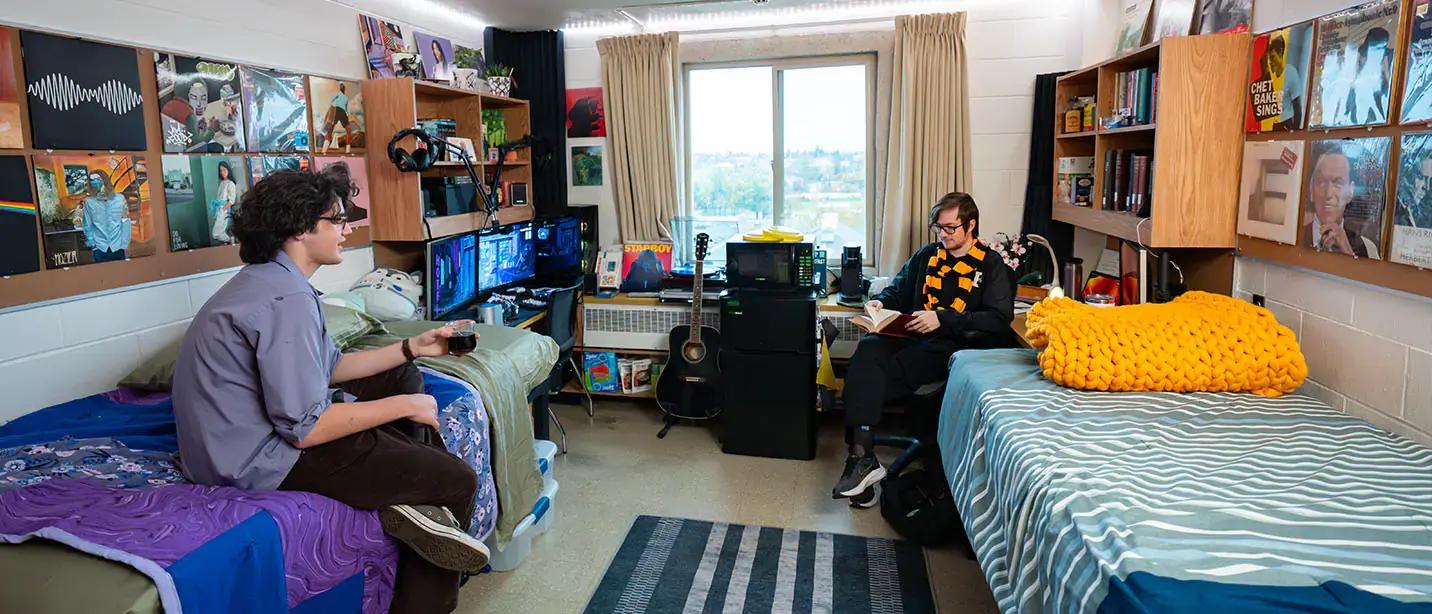


One of the most exciting parts of the Erasmus experience is living with people from different countries and cultures. Shared housing brings together students with diverse habits, communication styles, and ideas of what “normal” looks like at home. While this diversity is enriching, it can also lead to confusion or tension if cultural differences aren’t understood.
In shared living, many misunderstandings don’t come from bad intentions—they come from different cultural norms. What feels polite in one culture may seem distant in another. What one person considers normal noise levels, cleanliness, or privacy may feel uncomfortable to someone else. Recognizing that these differences exist is the first step toward living together successfully.
One common area where cultural differences appear is communication. Some cultures value directness and honesty, while others prefer a more indirect, subtle approach. An Erasmus student who speaks very openly may be seen as rude by some roommates, while someone who avoids confrontation may be perceived as passive or unclear. Learning how your roommates communicate—and adjusting your own style slightly—can prevent many unnecessary conflicts.
Cleanliness and shared responsibilities are another frequent source of confusion. Ideas about how often to clean, whether dishes can stay in the sink, or how shared spaces should look vary widely across cultures. Instead of assuming everyone has the same standards, it helps to talk about expectations early. Clear, simple agreements make shared living easier for everyone.
Personal space and boundaries also differ from culture to culture. Some students are used to spending lots of time together and sharing freely, while others value privacy and quiet time. Neither approach is right or wrong. Respecting these differences—and communicating your own needs calmly—helps create a balanced and comfortable living environment.
Food is often where cultural differences become most visible—and most enjoyable. Different cooking habits, meal times, and food smells are part of shared living with international roommates. Approaching these differences with curiosity rather than frustration can turn them into opportunities for connection. Shared meals or cultural food nights often become some of the best Erasmus memories.
Language can also play a role in misunderstandings. Even when everyone speaks English, tone, humor, or expressions may be interpreted differently. Being patient, asking for clarification, and avoiding assumptions helps keep communication clear. It’s okay to ask, “What did you mean by that?” instead of reacting emotionally.
Flexibility is one of the most valuable skills an Erasmus student can develop in shared housing. You won’t always live the way you’re used to—and that’s part of the experience. Being open to compromise, trying new routines, and accepting differences makes shared living far less stressful and far more rewarding.
At the same time, it’s important not to lose yourself completely. Respecting cultural differences doesn’t mean ignoring your own comfort or boundaries. If something genuinely bothers you, it’s okay to speak up calmly and respectfully. Most roommates appreciate honesty when it’s communicated kindly.
Living with people from different cultures teaches lessons that go far beyond housing. You learn empathy, adaptability, and how to work with people who see the world differently. These skills stay with you long after Erasmus ends and are invaluable in both personal and professional life.
In the end, cultural differences in shared living aren’t obstacles—they’re opportunities. When approached with curiosity, patience, and respect, shared housing becomes one of the richest parts of the Erasmus experience. It’s not just about sharing a flat; it’s about learning how to live together in a global world.