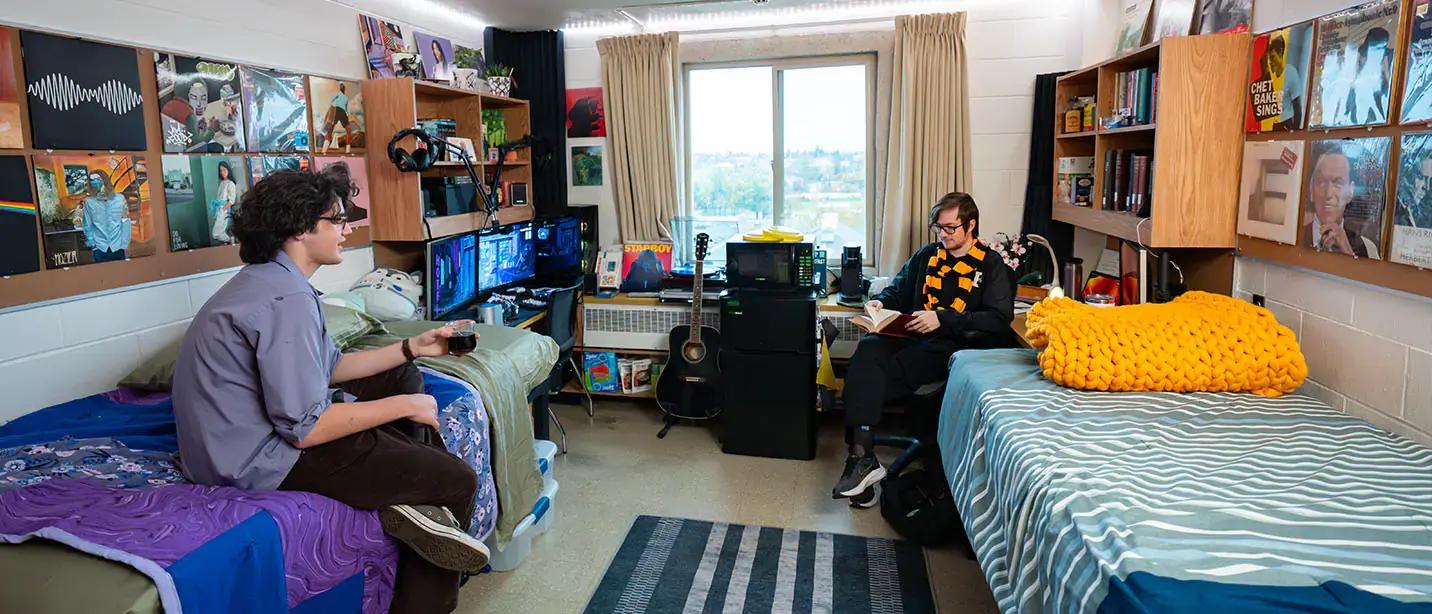


When students think about networking, they often imagine formal events, awkward small talk, or collecting LinkedIn connections they never speak to again. In reality, some of the most valuable connections are built in everyday environments—especially where you live. Shared housing and coliving create natural opportunities for students to meet people, exchange ideas, and build relationships that go far beyond surface-level networking.
Living with others means daily contact with people from different backgrounds, fields of study, cultures, and career goals. These casual interactions—conversations in the kitchen, shared meals, or late-night discussions—often lead to meaningful connections without the pressure of “networking.” Over time, these relationships can turn into friendships, study partners, job referrals, or long-term professional contacts.
One of the biggest advantages of shared living is the low-pressure environment it creates. Unlike formal networking events, there’s no expectation to impress or sell yourself. You get to know people naturally, through shared routines and everyday moments. This makes conversations more genuine and helps trust develop organically—something that’s difficult to force in professional settings.
Shared housing also encourages the exchange of knowledge and opportunities. Students often share tips about classes, internships, part-time jobs, events, or useful contacts simply because they live together. Hearing about an opportunity over breakfast or while cooking dinner is often how doors quietly open.
Coliving environments, in particular, are designed to support connection. Common areas, shared activities, and community events make it easier to meet people outside your immediate circle. For international students or those new to a city like Prague, this can significantly shorten the time it takes to feel connected and included.
Being proactive—but natural—helps make the most of these opportunities. Joining shared meals, attending community events, or simply being open to conversation creates visibility and approachability. Networking in shared living isn’t about collecting contacts; it’s about showing up consistently and being genuinely interested in the people around you.
It’s also important to remember that networking works both ways. Offering help, sharing information, or supporting others strengthens relationships and builds mutual trust. People are far more likely to recommend or support someone they feel comfortable with and appreciated by.
Shared living can also help students build soft skills that are essential for professional life. Communication, collaboration, cultural awareness, and conflict resolution are all skills developed through everyday interactions at home. These experiences shape how you work with others long before you enter a full-time job.
Not every connection will turn into a career opportunity—and that’s okay. The real value lies in creating a strong social and professional foundation. Many students later realize that a casual roommate connection led them to a job lead, a business idea, or a new direction they hadn’t considered before.
At the end of the day, networking doesn’t have to be strategic or exhausting. When you live in a shared environment, connections form naturally through trust, shared experiences, and everyday conversations. By choosing housing that supports community, students give themselves access to one of the most overlooked networking tools available.
Used well, shared living turns your home into more than just a place to sleep—it becomes a space where ideas, opportunities, and relationships grow alongside you.