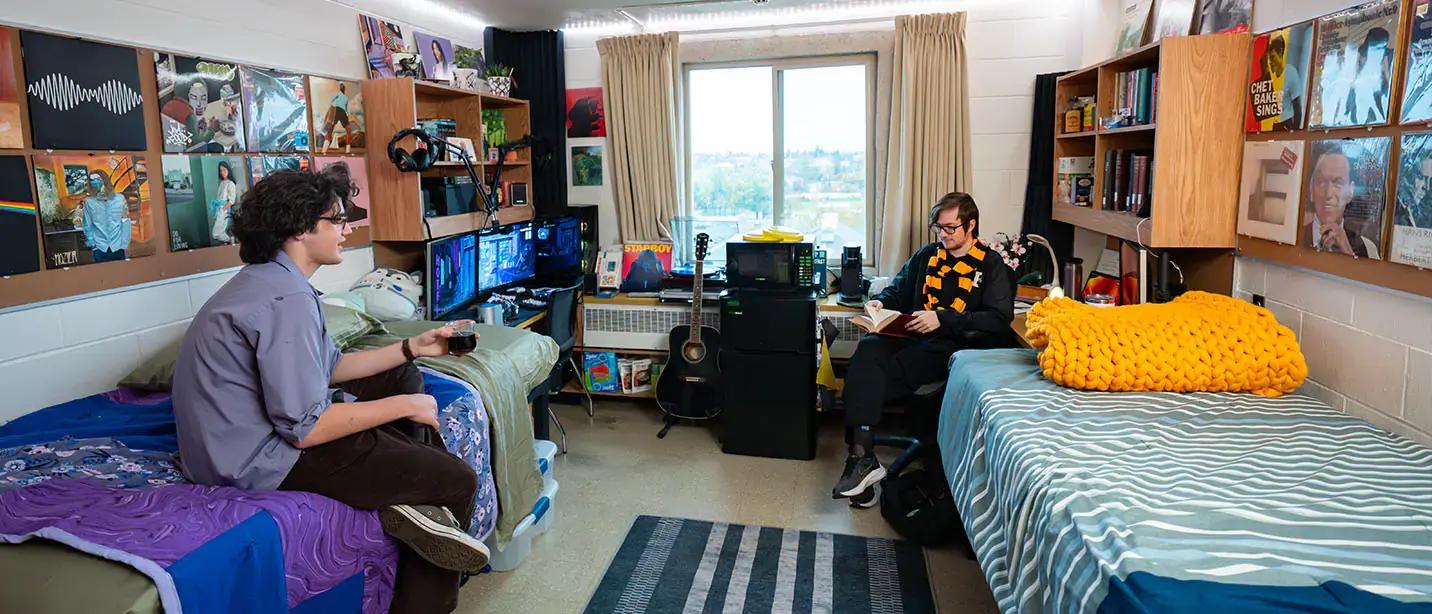


Living in a shared apartment sounds great on paper. Lower rent, an instant social circle, and the comfort of not being alone in a big city like Prague. In reality, though, shared spaces are often where things start to fall apart. The kitchen sink fills up, the trash somehow overflows overnight, and suddenly no one remembers who was supposed to clean the bathroom.
If you’re a student, young professional, or expat, this probably feels painfully familiar. The good news is that keeping a shared apartment clean doesn’t require becoming controlling, passive-aggressive, or turning into the so-called “cleaning police.” What actually works are simple systems, open communication, and habits that fit into real life.
Shared spaces usually don’t get messy because people are lazy. More often, it comes down to different standards of cleanliness, busy schedules, and unclear responsibility. One person thinks dishes can wait until morning, another finds that stressful. Someone assumes the trash is a shared task, someone else thinks it’s on rotation. When expectations aren’t clear, kitchens and bathrooms quickly turn into stress zones. The goal isn’t hotel-level perfection, but a space that feels calm, fair, and usable for everyone.
This is why setting expectations early matters so much. One of the biggest mistakes in shared living is assuming everyone has the same idea of what “clean” means. Is it normal to leave dishes overnight? Should counters be wiped after every meal? How often should floors be cleaned? These things feel obvious—until they’re not. A short, casual conversation at the beginning can prevent months of frustration later. Asking something as simple as “How do we want shared spaces to work?” sets the tone and makes cleanliness a shared responsibility rather than a personal obsession.
Clarity also helps when it comes to responsibility. Shared apartments function better when it’s obvious who does what. Cleaning schedules don’t have to be strict or complicated, but they do need to exist. When tasks like taking out the trash, cleaning the bathroom, or wiping kitchen surfaces rotate regularly, things feel fair and resentment has less room to grow. Visible systems almost always work better than good intentions, whether it’s a simple list on the fridge or a shared note on your phone.
One habit that makes a surprisingly big difference is cleaning as you go. Instead of relying on big, exhausting clean-ups, small daily actions keep shared spaces under control. Washing dishes right after eating, wiping the counter after cooking, or putting things back where they belong takes very little time, but prevents tension from building up. In shared living, these small routines matter far more than deep cleaning once a month.
A lot of mess also comes from clutter rather than dirt. When food, dishes, or toiletries don’t have clear owners, shared spaces quickly feel chaotic. Clearly assigned shelves in the fridge, cabinets, and bathroom help reduce confusion and passive-aggressive moments. When everyone knows what’s theirs and what’s shared, common areas stay tidy almost automatically.
Of course, issues will still come up. Letting small problems slide “just this once” often leads to silent frustration, while aggressive confrontation rarely helps. The sweet spot is calm, early communication. Focusing on the issue instead of the person and explaining how something affects you usually works best. Most people don’t want to be bad roommates—they just don’t realize there’s a problem.
It also helps to accept that clean doesn’t mean perfect. Shared apartments will never be spotless all the time, and that’s okay. What matters is that spaces are usable, mess doesn’t feel personal, and everyone makes a reasonable effort. Letting go of perfection lowers stress for everyone involved.
This is one reason why coliving often works better than traditional flatshares. In many shared apartments, rules are unclear and responsibility is left entirely to the tenants. That can be especially challenging if you’re new to Prague or living with people from different backgrounds. Coliving spaces are designed to avoid this chaos, with clear house rules, shared standards from day one, and a community mindset that makes shared responsibility feel natural instead of forced.
At the end of the day, shared spaces influence your mood more than you might realize. A tidy kitchen or bathroom reduces stress, saves time, and makes your apartment feel like a place you actually want to come back to. Cleanliness in shared living isn’t about control—it’s about respect, structure, and making everyday life easier. When those things are in place, shared housing stops feeling like a compromise and starts feeling like home.