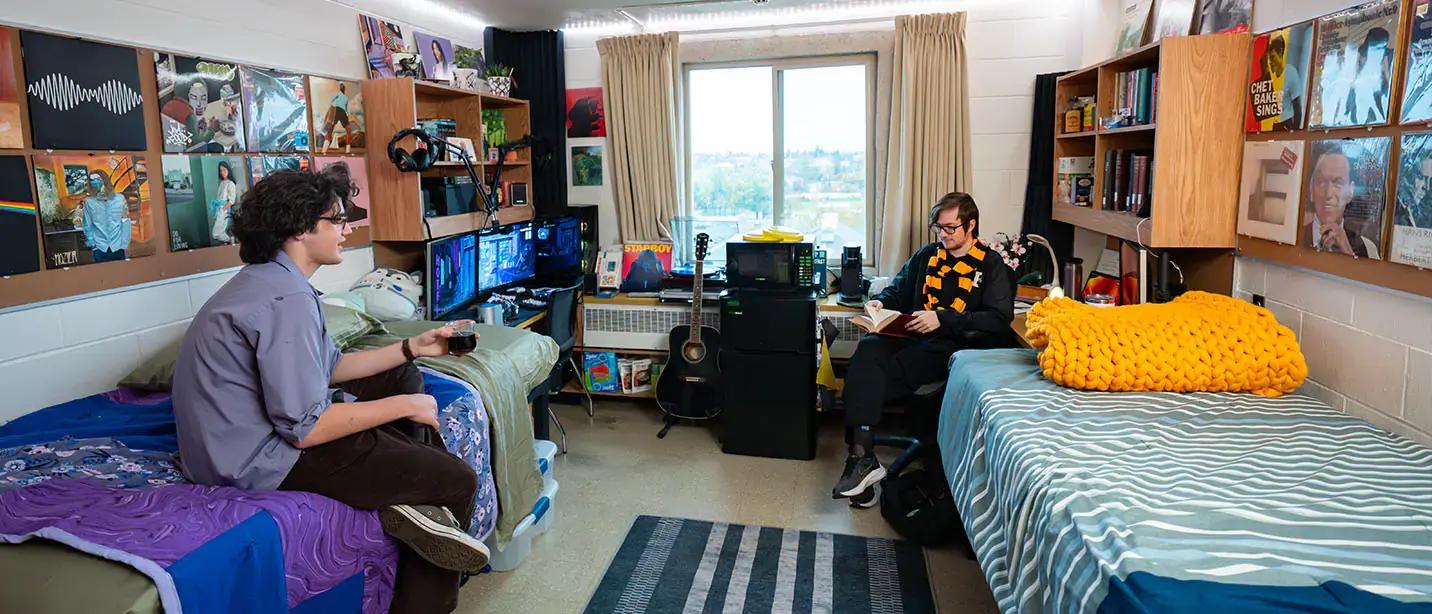


Moving into a shared apartment with people you’ve never met before can feel overwhelming. One day you’re excited about a new chapter in Prague, the next you’re wondering who keeps using your mug and why someone is always on a loud call at midnight. If you’re a student, young professional, or expat, this situation is probably very familiar. Living with strangers is common — and stressful — but it doesn’t have to stay that way.
The first thing to know is that feeling tense or anxious in shared housing is completely normal. Your home is supposed to be your safe space, and when you share it with people you don’t know yet, your brain stays on alert. Different habits, cultures, sleep schedules, and ideas of personal space can easily clash. The goal isn’t to eliminate stress entirely, but to make shared living feel predictable, respectful, and manageable.
One of the biggest sources of stress when living with roommates is unclear expectations. Many conflicts don’t happen because people are difficult — they happen because nobody talked about the basics early on. Cleaning, guests, noise, shared food, or working from home can all become problems if they’re left unspoken. A short, casual conversation at the beginning can save weeks of frustration later. It doesn’t have to be awkward or formal. Even a simple “How do we want this place to work?” sets the tone and shows that you care about a calm living environment.
Communication matters just as much after you move in. Small annoyances tend to pile up when they’re ignored. A few dirty dishes or loud phone calls might seem harmless at first, but over time they build tension. Addressing things early, calmly, and respectfully is key. Focus on how something affects you rather than accusing the other person. Most people aren’t trying to be inconsiderate — they just don’t realize there’s an issue.
At the same time, it’s important to create a sense of privacy for yourself. Even in the most social shared apartment, you need a place where you can fully relax. Your room should feel like your personal retreat. Comfortable lighting, personal decorations, good headphones, and the ability to close the door can make a huge difference. When you know you have a space that’s truly yours, everyday roommate stress becomes much easier to handle.
Another thing that helps a lot is adjusting expectations around relationships. You don’t have to be best friends with your roommates. Social media often makes shared living look like constant dinners and movie nights, but real life doesn’t always work that way. What actually matters is mutual respect, basic kindness, and clear boundaries. If friendship develops naturally, that’s great. If not, peaceful co-living is more than enough.
That said, small human moments go a long way. Saying hi when you walk into the kitchen, sharing a coffee once in a while, or cooking together occasionally can break the ice and reduce tension. These tiny interactions build trust without pressure and make it easier to communicate when something isn’t working.
Housing type also plays a big role in how stressful shared living feels. Traditional flatshares are often thrown together randomly, with no clear rules or support. This can be especially challenging if you’re new to Prague or coming from abroad. Coliving spaces are designed differently. They usually attract like-minded people — students, young professionals, internationals — and come with clear house rules, furnished rooms, and a stronger sense of community. That structure alone removes a lot of uncertainty and mental load.
Finally, remember that not all stress comes from your apartment. If your life outside home feels chaotic, roommate issues tend to feel bigger than they actually are. Getting fresh air, keeping a routine, moving your body, and staying connected with friends can dramatically improve how you experience shared housing. When you’re balanced, you’re more patient, flexible, and resilient.
Living with strangers is a learning experience. It teaches you communication, boundaries, and empathy — skills that matter far beyond housing. With the right mindset and environment, shared living can shift from something you “survive” to something that genuinely feels like home.