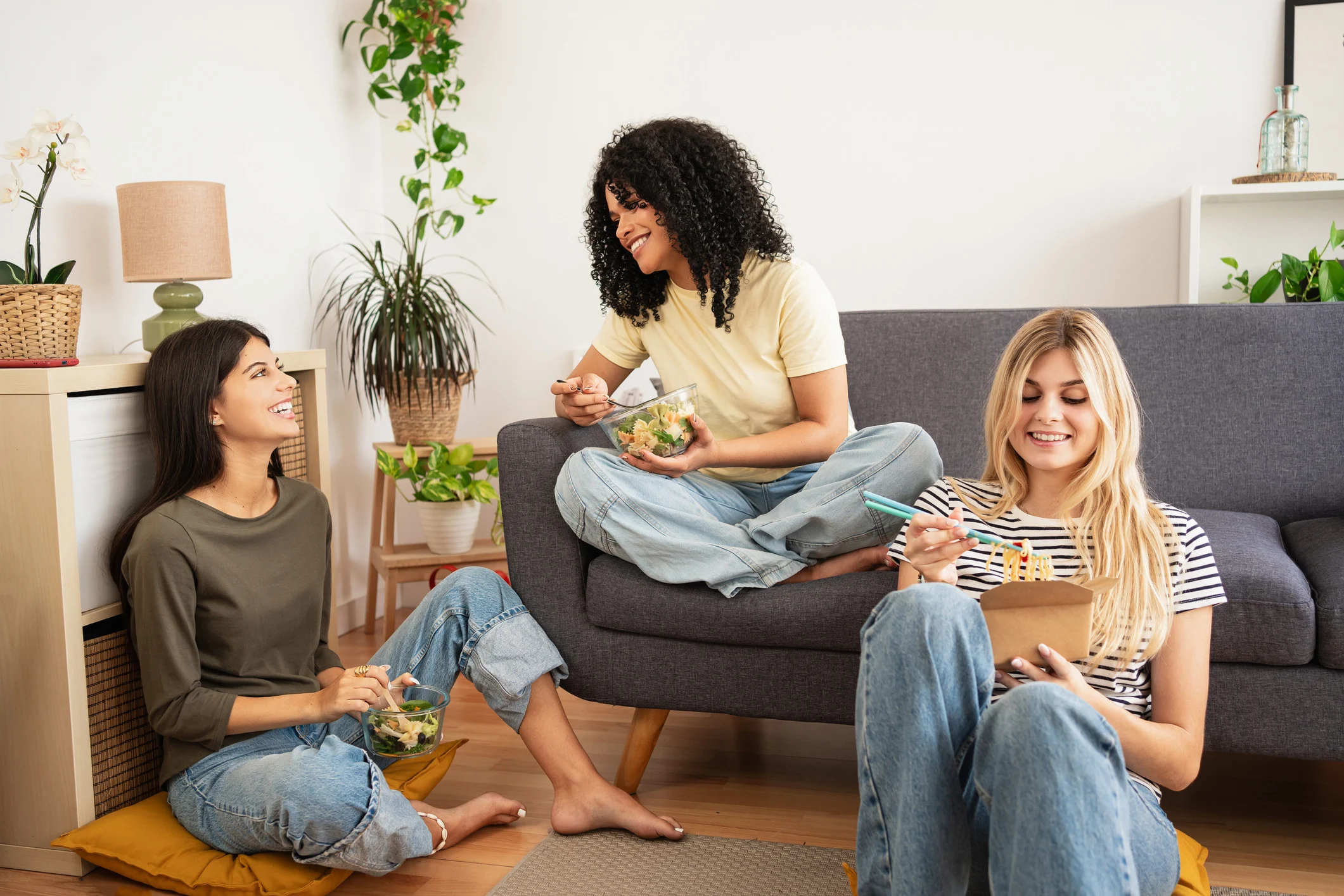
Healthy eating in a small student room sounds like a contradiction. Tiny space, no private kitchen, busy schedule, limited budget. Let’s be honest — this is exactly why so many students and young professionals end up living on toast, instant noodles, and takeaway coffee. But here’s the thing: healthy eating in a small room is absolutely doable, and in the right type of housing, it’s surprisingly easy.
The biggest difference isn’t your motivation or cooking skills. It’s your environment. Anyone who has lived in state dormitories knows the reality: overcrowded shared kitchens, broken appliances, sticky counters, and fridges where food mysteriously disappears. When cooking feels like a battle, you stop trying. In contrast, living in Bro-coli makes healthy eating feel normal, not heroic. Clean spaces, modern equipment, and a calm international vibe change everything.
You don’t need a full kitchen to eat well. You need functionality, cleanliness, and a setup that doesn’t drain your energy before you even start. That’s where coliving clearly wins over classic dorms.
In most state dorms, even simple food prep becomes stressful. You wait for a free stove, discover there’s no clean pan, and give up. In Bro-coli, shared kitchens are designed to be used. They’re modern, spacious, and actually maintained. That alone removes the biggest mental barrier to healthy eating: friction. When cooking is easy, you do it more often — even if it’s just something simple.
Healthy eating without a kitchen is about smart choices, not complicated recipes. With access to a kettle, microwave, fridge, and a clean prep surface, you can build balanced meals in minutes. Something as basic as overnight oats suddenly becomes realistic. Mix oats, yogurt, milk, fruit, and nuts in a jar, leave it in the fridge overnight, and breakfast is done. In a state dorm, finding space in a shared fridge can feel like a lottery. In Bro-coli, it’s just part of daily life.
The same applies to no-cook lunches and dinners. Jar salads, wraps, protein bowls, couscous with vegetables — all of these work perfectly in a small room setup. The key difference is storage and hygiene. When fridges are clean and there’s enough space, meal prep actually works. You’re not worried about someone touching your food or your container disappearing overnight. That sense of security makes consistency possible.
Microwave meals are another underrated option. Simple scrambled eggs, steamed vegetables, or reheated rice bowls can be healthy, fast, and affordable. In many state dorms, microwaves are either broken or so dirty you’d rather skip the meal. In Bro-coli, reliable appliances mean you don’t have to compromise your standards just to eat.
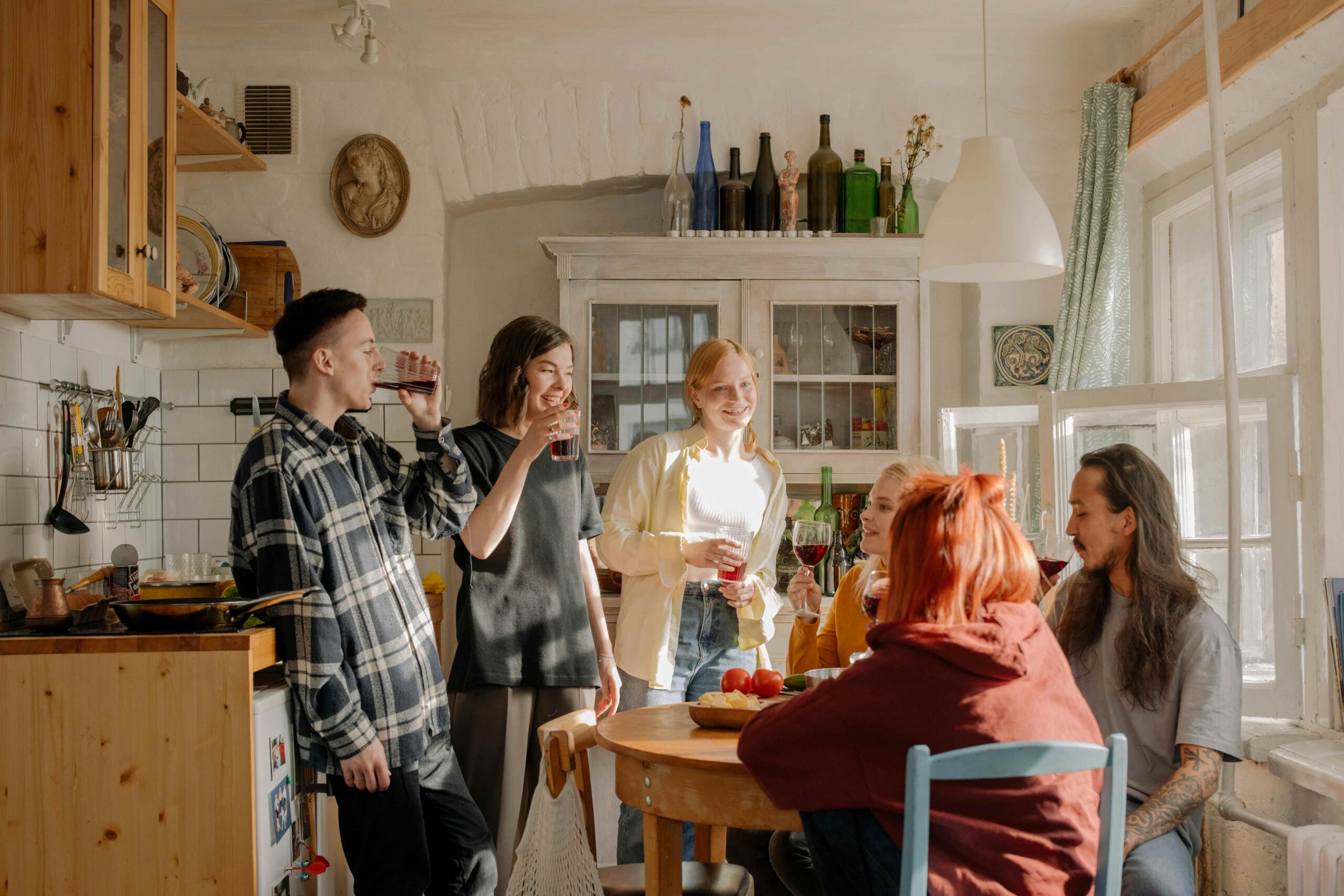
There’s also a social aspect that makes healthy habits stick. In traditional dorms, shared kitchens are places people avoid. Everyone cooks as fast as possible and leaves. In coliving, kitchens are social spaces. You see other people cooking real food, sharing tips, or casually preparing dinner together. That subtle influence matters more than you think. Healthy eating becomes part of the culture, not a solo struggle.
Eating well isn’t only about nutrition. It directly affects your mental health, energy levels, and productivity. When your meals are regular and balanced, studying, working, and exploring Prague feels easier. Instead of reacting to hunger with fast food, you’re in control. That sense of stability is hard to achieve in chaotic dorm environments, but it comes naturally when your living space supports you.
Cost is another common concern. Many students assume healthy eating is expensive, but the opposite is often true. Simple ingredients, meal prep, and basic recipes cost less than daily takeout. The difference is whether you have the conditions to store food properly and prepare it without stress. Again, this is where coliving beats state dorms without question.
Living in a small room doesn’t mean lowering your standards. It just means being intentional. When your housing makes everyday tasks easier instead of harder, good habits follow naturally. That’s why healthy eating feels less like discipline and more like common sense in Bro-coli.
Imagine coming home after a long day, opening a clean fridge, and putting together a quick meal that actually fuels you. No mess, no drama, no awkward kitchen politics. Just food that makes you feel better. That’s the quiet luxury of modern coliving — and something state dorms simply weren’t built for.
Healthy eating in a small room isn’t about having more space. It’s about having the right one.
Discover modern student living in Prague, where taking care of yourself feels natural, not complicated.